Autism Support in Schools: Strategies for Inclusion, IEP Success & Student Growth

Awareness says, “We see you.” Acceptance says, “We value you. We will help create environments where you can thrive.”
With April being Autism Awareness Month, you’ll likely see posts, campaigns, and messages centered around autism, but the conversation has evolved.
Today, it’s not just about awareness; it’s about acceptance, inclusion, and meaningful support.
What Does Real Autism Support in Schools Look Like?
Real support for students with autism in schools includes:
- Individualized learning plans (IEPs) implemented consistently
- Sensory-friendly classroom environments
- Collaboration between teachers, therapists, and support staff
- Teaching strategies that recognize behavior as communication
- Inclusive practices that support both academic and social development
Why the Shift from Awareness to Acceptance Matters
Across the country, organizations and advocates have intentionally shifted from awareness to acceptance—because awareness alone doesn’t change outcomes.
Acceptance means:
- Understanding autism as a lived experience, not just a diagnosis.
- Creating environments where students can participate without masking who they are.
- Removing barriers so students can belong, not just be present.
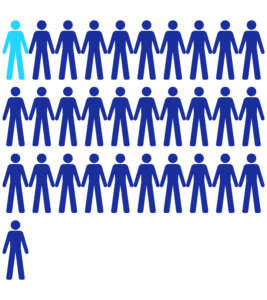
Today, Autism affects approximately 1 in 31 children in the U.S. This isn’t a niche conversation. It’s foundational to how schools operate and how students succeed.
How Schools Can Support Students with Autism Effectively
Support doesn’t come from a single program.
It comes from people, environments, and consistency in working together.
It looks like:
- Classrooms that support sensory regulation.
- Teachers who understand that behavior is communication.
- Therapists collaborating in real time with educators.
- Teams that adapt—rather than expecting the student to.
Because acceptance isn’t about changing the student, it’s about changing the system around them.
How IEPs Support Students with Autism in Schools
IEPs are essential, but they’re only as effective as the people implementing them.
Real impact happens when:
- A speech therapist helps a student find their voice.
- An occupational therapist supports focus and independence.
- A behavioral specialist helps navigate emotions.
- A teacher builds a classroom rooted in understanding.
This is where schools move from compliance… to true inclusion.
Creating Inclusive Classrooms for Students with Autism
Students with Autism experience the world differently, and that’s not something to fix. It’s something to understand and support.
Supportive environments:
- Reduce overwhelming stimuli.
- Provide structure and predictability.
- Encourage multiple forms of communication.
- Focus on strengths, not just challenges.
Because diversity in how students think, communicate, and learn is part of what makes a classroom stronger.
“We Are Who We Staff”
Why This Is Personal for iDEAL
At iDEAL, this isn’t theoretical. It’s personal.
“We are who we staff” means:
- We’ve worked in these classrooms.
- We’ve supported students with diverse needs.
- We understand the responsibility behind every placement.
We’ve seen how the right support changes everything.
Many within our network—professionally and personally—have walked in these shoes. In a classroom, in their family, in their day-to-day life, and even more. That perspective shapes how we show up.
We don’t just fill roles. We connect schools with professionals who understand the impact.
Staffing Isn’t Just Filling Roles, It’s Building Outcomes
School districts are facing growing demand for:
- Special Education Teachers
- Behavioral Support Professionals
- Occupational and Speech Therapists
But the challenge isn’t just finding people. It’s finding the right people.
Professionals who:
- Understand neurodiversity and acceptance.
- Collaborate effectively within teams.
- Adapt quickly in real classroom settings.
- Support both compliance and student growth.
Because when the right people are in place, students gain confidence, classrooms are more inclusive, and our teachers are more supported.
Autism acceptance isn’t about a single month; it’s about everyday moments:
- A student who feels understood instead of overwhelmed.
- A breakthrough in communication.
- A classroom that becomes more inclusive.
- The teachers who can do their job better because they have more understanding and support.
At times, these moments may seem small, but they change everything.
Explore How iDEAL Supports Schools
Understanding. Opportunity. Lasting change.
Whether you’re a district or a professional looking to make an impact:
- Connect with a team that understands what’s at stake
- Education Professional? Explore Opportunities Here
- Learn About iDEAL’s Specialized Approach
Because this work is bigger than staffing.
It’s about creating environments where every student is accepted, supported, and able to thrive.